Satellites as a Lifeline: Real-World Lessons from Hurricanes Helene and Milton
As communities across the Southeast continue to rebuild in the aftermath of Hurricanes Helene and Milton, one piece of technology has proven indispensable: satellite internet. When traditional cell towers and broadband services failed, Starlink’s satellite network provided a crucial lifeline, restoring communication and connectivity to thousands of residents in hard-hit areas.
In recent weeks, FEMA, private groups, and local governments deployed over a thousand Starlink terminals to restore internet in devastated regions. Elon Musk, CEO of SpaceX, announced temporary free satellite service to support recovery, while the FCC approved Starlink to test direct-to-cell emergency alerts, further expanding its role in critical infrastructure.
Musk’s commitment to offering temporary free satellite service in affected areas demonstrated the versatility of this technology during disaster recovery. But what does this mean for the future of satellite coverage, especially as growth in this sector faces new challenges?
The Satellite Challenge: Slow Expansion Amid Real-World Success
Despite Starlink’s proven role in these emergencies, the future of satellite expansion remains uncertain. In late 2023, the FCC withdrew an $885 million grant intended to help Starlink bring high-speed internet to 640,000 rural homes and businesses, citing concerns about its reliability. This regulatory decision has stunted further expansion, slowing the rollout of high-speed satellite internet, particularly in rural areas where it’s most needed.
However, the use of Starlink during Helene and Milton may have demonstrated something the FCC couldn’t predict: a real-world pressure test that highlights satellite internet’s ability to serve as not only a complement to traditional broadband, but even a replacement in areas without robust infrastructure.
A Powerful Complement in Urban Areas, A Potential Mainstay in Rural America
For cell site owners and residents in urban and suburban areas, satellite internet will likely grow to play a supportive role, easing the load on existing networks and complementing traditional broadband. But in rural and remote areas, satellites may become a more permanent fixture.
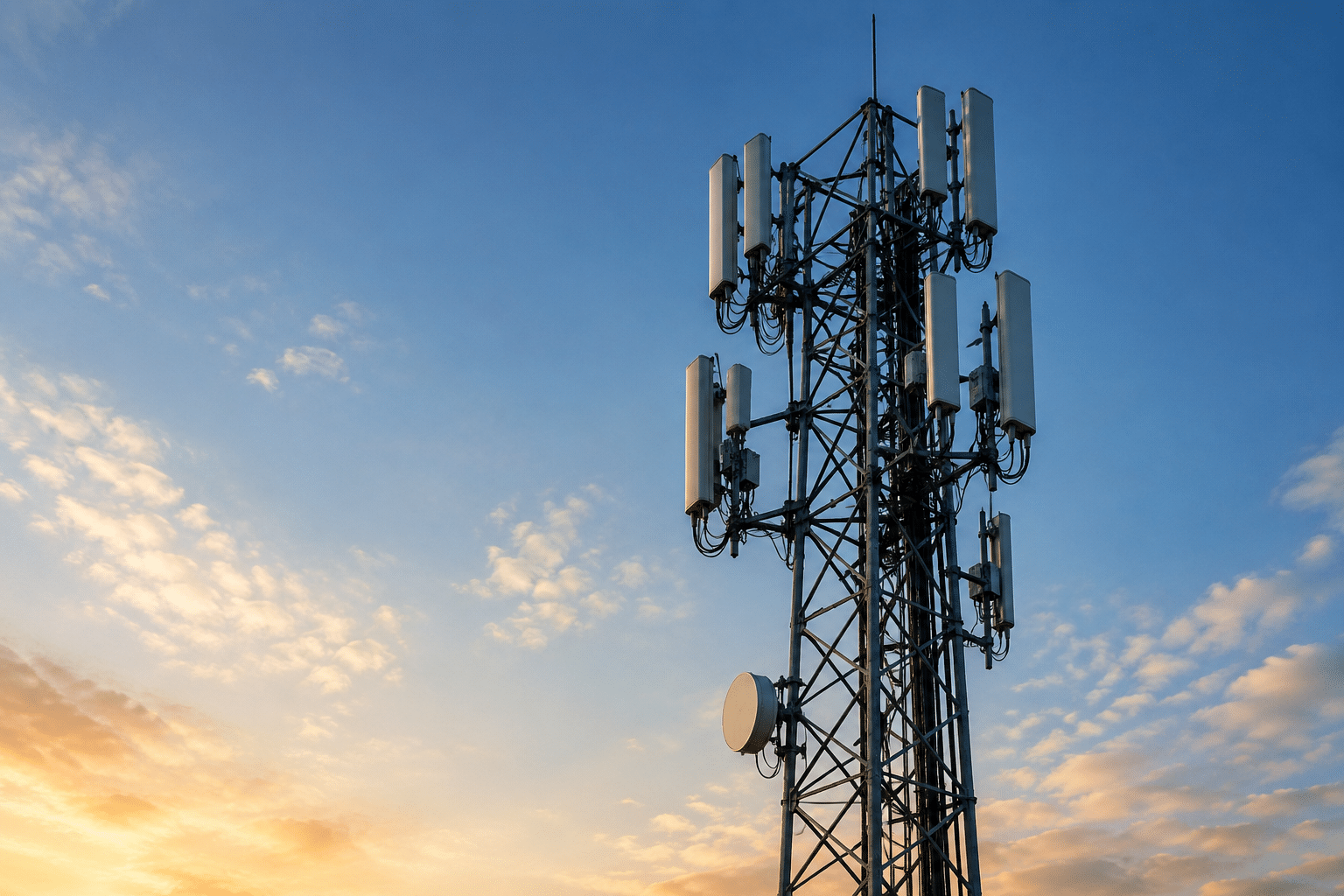
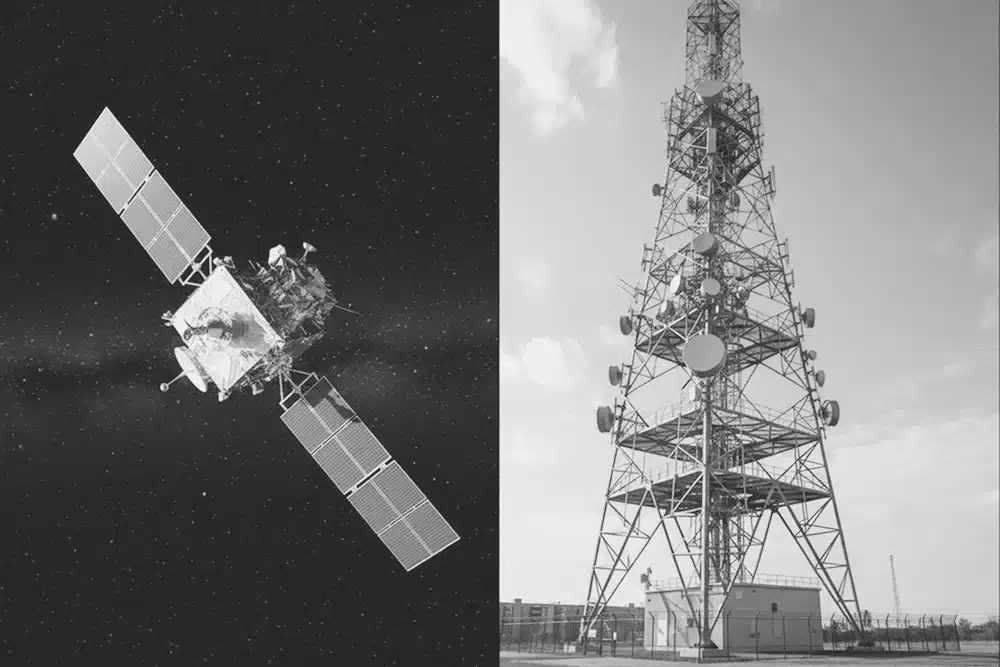
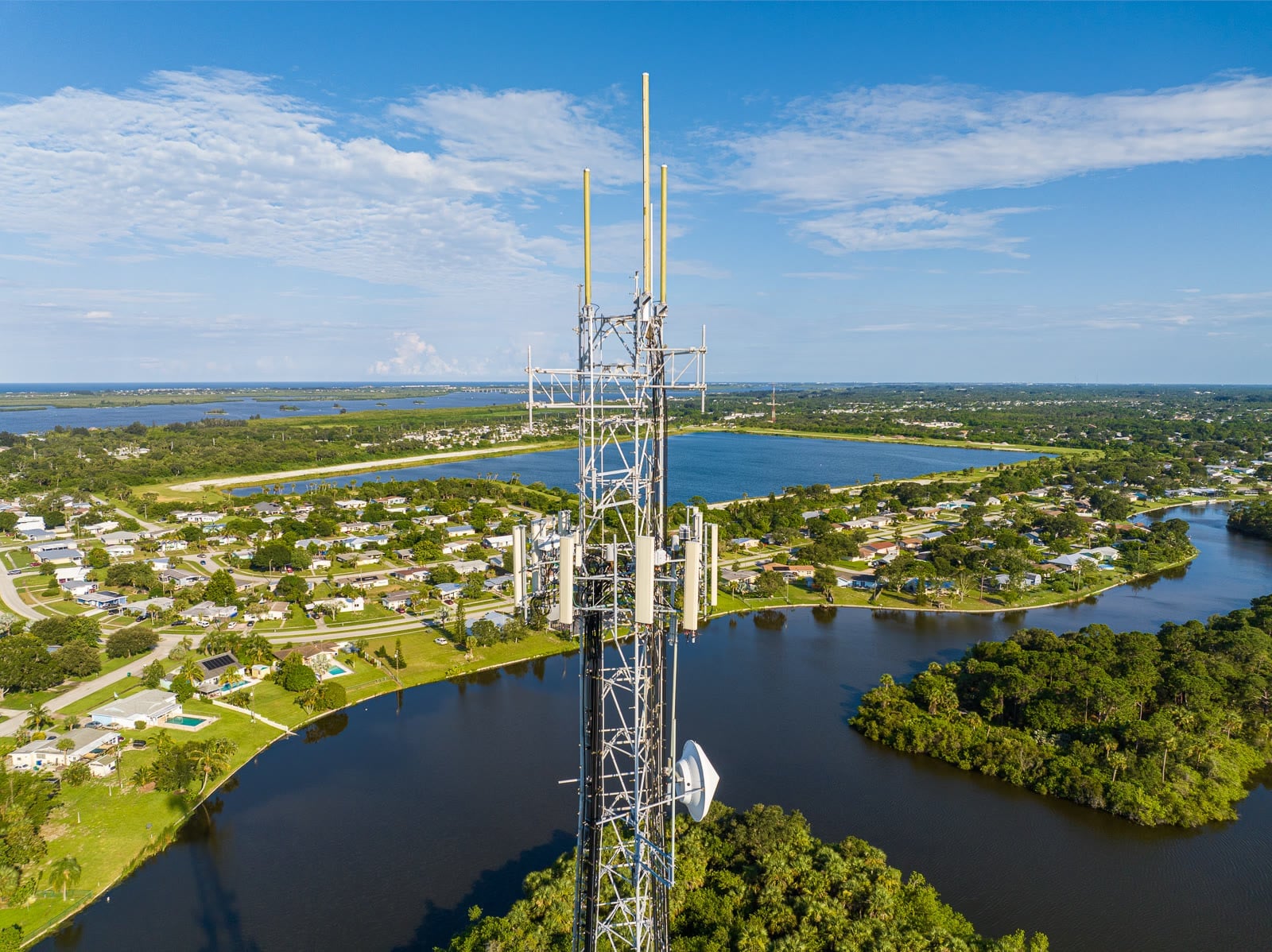
The rise of “sat-to-cell” has sparked questions about the future of traditional cell towers and broadband. While it’s clear that high-quality cell sites will continue to play an essential role in urban and suburban infrastructure, the success of satellite internet in disaster scenarios like Helene and Milton reinforces its importance in places where fiber optics are either unavailable or too costly to install.
Looking Ahead: A Satellite Future for Rural America?
This recent use case may offer a glimpse of what’s to come. The federal government has committed billions to expanding fiber optic networks, but that infrastructure will take years, if not decades, to fully reach every corner of the country. Until then, satellite networks like Starlink could leapfrog planned installation of traditional infrastructure, providing reliable connectivity in even the most remote locations.
The implications are clear: while satellite internet’s expansion may be slower than anticipated, its role in rural America could grow. Hurricanes Helene and Milton proved that satellite technology can be a game-changer, not just in emergencies, but as a long-term solution for connectivity gaps.
Satellite technology is no longer just a concept of the future—it’s here, proving its worth when it’s needed most.