SpaceX Eyes Cell Sites as Tower Companies See 2026 Growth Trough
SpaceX’s Spectrum Deal and Reported Site Talks
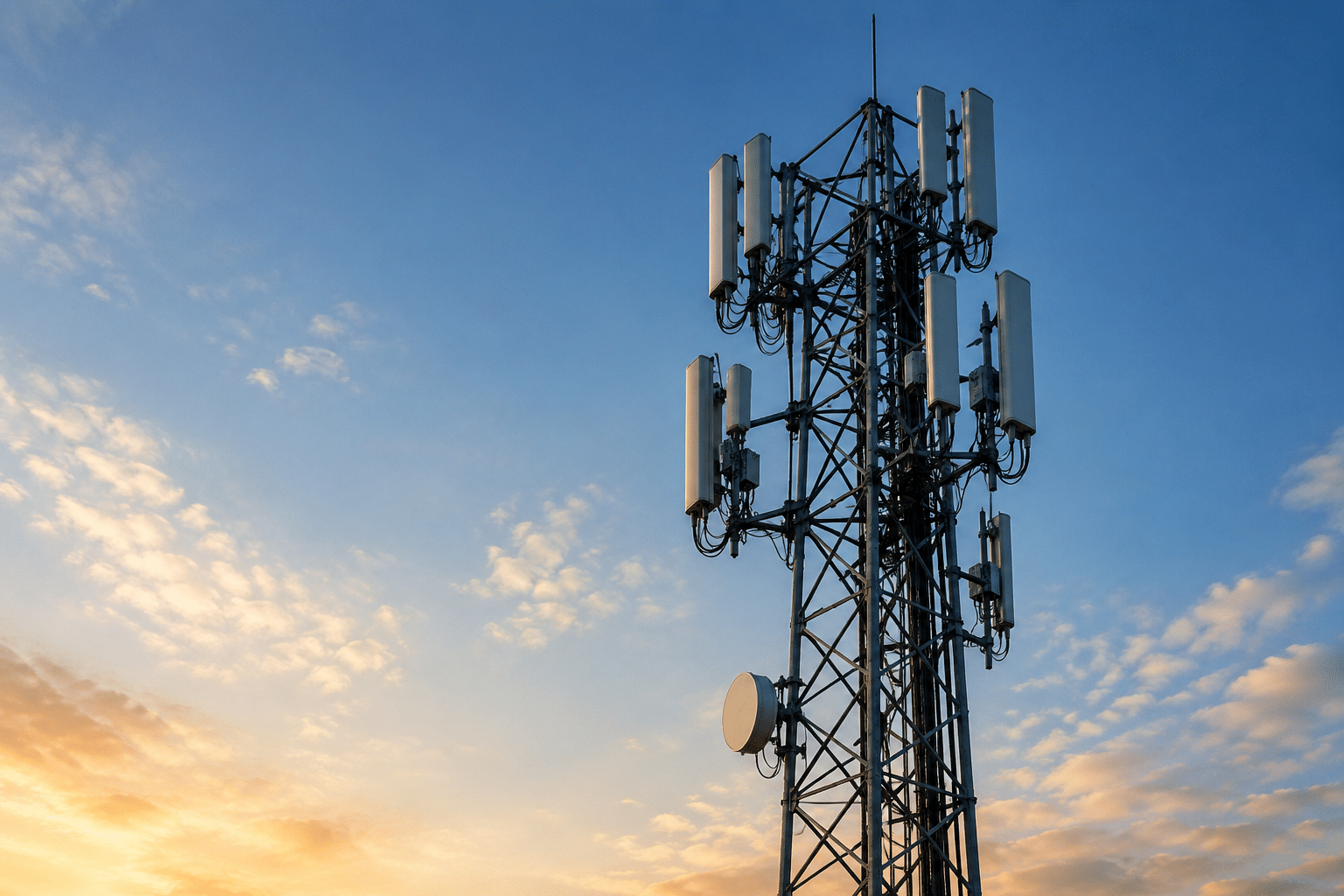
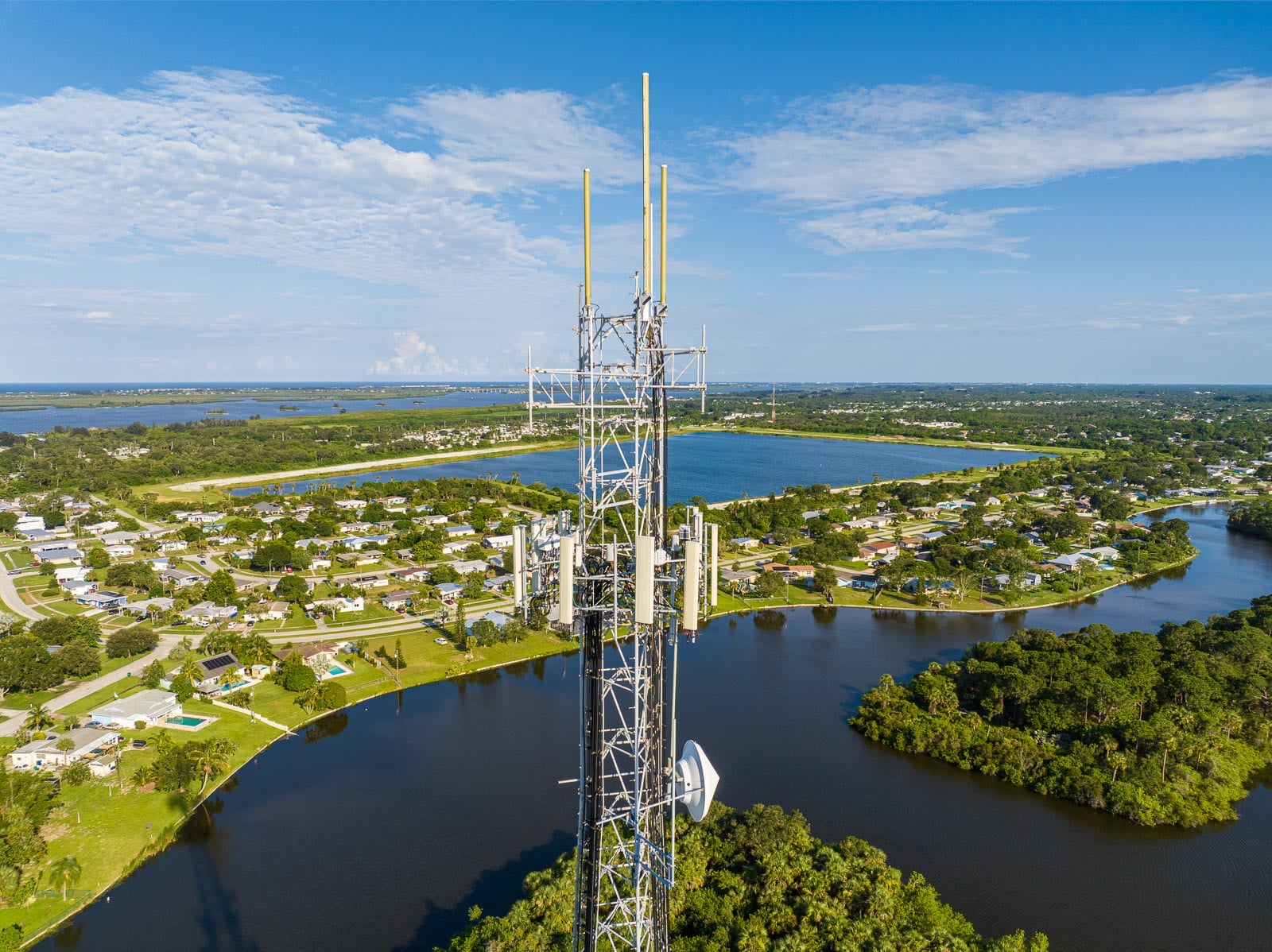
SpaceX dominated this quarter’s calls. In October it agreed to buy nationwide 800 MHz low-band spectrum from Grain Management for roughly $8 billion, and Bloomberg reported it is seeking access to at least 80,000 US cell sites for Starlink Mobile, with its own US service targeted for early 2028. Because low-band spectrum is what reaches indoors, the tower companies read the purchase as a sign that SpaceX will need a terrestrial network. All three said they are talking to every party with wireless ambitions, and each says it now owns the equipment DISH left on its towers (12,000+ Crown sites, roughly 3,000 SBA leases), which Crown called an industry “cheat code” for a fast build. The carriers were dismissive: Verizon and T-Mobile both ruled out an MVNO deal with SpaceX, and Verizon estimated a competing network would take years and hundreds of billions of dollars to build.
Tower Companies Call 2026 the Trough
All three tower companies said 2026 will be the low point for organic growth, with underlying growth of roughly 3.5-4% masked by DISH and Sprint churn. Leasing activity slowed in the second half; American Tower said not all carriers are active, and SBA described one carrier as particularly active, one modest and one very slow. The companies expect growth to improve in 2027 as DISH churn rolls off and new spectrum is deployed, including AT&T’s 600 MHz and the upper C-band auction scheduled for April-July 2027.
Carriers Post Strong Subscriber Growth on Steady Capex
Verizon had its best third quarter for postpaid phone adds in five years (406,000), AT&T added 379,000 and T-Mobile again claimed the industry lead. Fixed wireless continues to grow at all three, and Verizon is launching a 1-gig fixed wireless product on its mmWave spectrum. Capital spending, however, is flat to down: Verizon and T-Mobile held their 2026 budgets, and AT&T trimmed 2027-2028 by about $1 billion per year.
Market Watch: Industry Shifts That Could Impact Tower Owners
- DISH Bankruptcy Raises Equipment Questions for Site Owners: DISH Wireless filed for Chapter 11 on June 30, 2026, and stopped paying rent. Public tower companies are pursuing roughly $7.6 billion in disputed lease claims and say they own the DISH equipment left on their towers.
- Array Narrows Estimate of Tenantless Towers to 1,200-1,600: Array is already working to reduce lease costs on towers likely to lose T-Mobile and is identifying uneconomic sites to decommission. Site owner partners whose leases are tied to affected towers may receive rent reduction requests or buyout offers before T-Mobile’s January 2028 site designation deadline.
- Ground Lease Buyouts Accelerating: Crown Castle expects to purchase more than 400 ground leases in 2026, more than double its 2025 total. SBA spent $13.7 million in the quarter on land, easements and lease extensions, and Array is accelerating its program. Margin targets at Crown and American Tower make land under towers a growing priority.
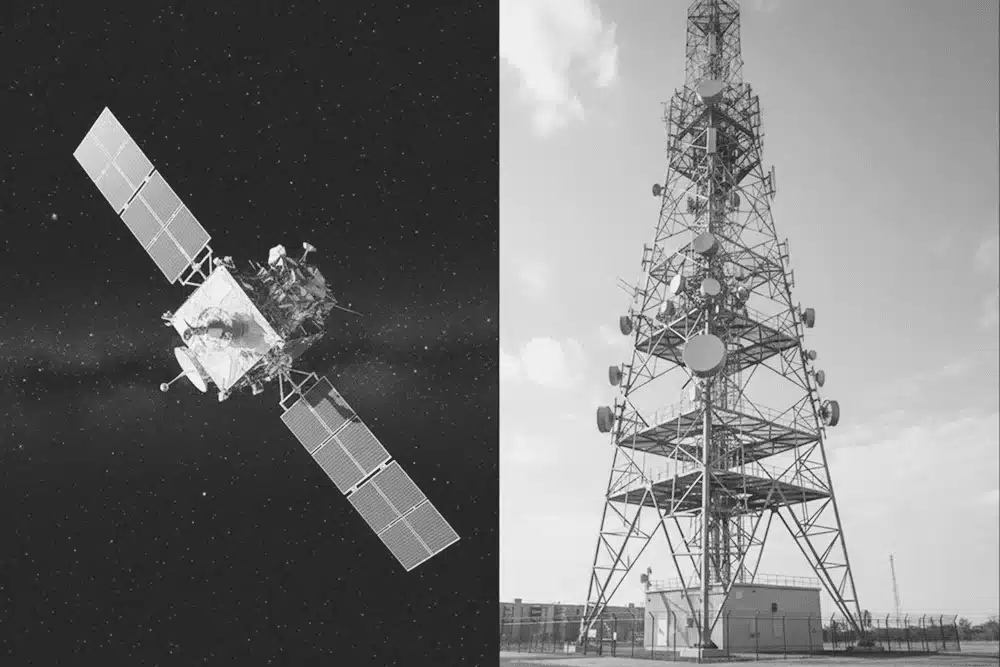
- Satellites as a Rural Substitute: AT&T said LEO satellites may let it serve less dense areas instead of maintaining lightly used macro sites, a longer-term risk for low-traffic rural towers.
- Cable Companies Continue Gaining Wireless Share: Comcast and Charter added roughly 876,000 mobile lines in the quarter (including Cox) and continue to rely on MVNO agreements rather than building their own networks.
Key Takeaway for Site Owners
DISH’s exit continues to weigh on tower company results this year, but underlying growth of roughly 3.5-4% and a deep pipeline of new spectrum support the view that 2026 is the bottom. SpaceX’s spectrum purchases and its reported search for at least 80,000 sites raise the possibility of a new nationwide tenant, while Array’s tenantless towers and accelerating ground lease buyouts mean site owner partners will likely see more outreach on rent and land value.
The Bottom Line: Tower assets remain highly valuable, but maximizing their long-term potential will require active lease management and staying informed as the industry evolves.
Earnings Call Summaries
Crown Castle reported 3.5% organic growth in the third quarter when excluding Sprint cancellations and DISH terminations, or 3.8% if DISH is also removed from the prior-year base; DISH terminations cost $61 million of site rental revenue in the quarter. The company reiterated that 2026 will be the low point for organic growth, but now expects core leasing to land at the bottom of its $60-70 million range, citing timing (AT&T’s 600 MHz rollout has been slower than expected). Crown paid $275 million to one of its largest customers to acquire a residual economic interest in a subset of towers, extend lease terms on those sites and limit future churn. Crown also expects to buy more than 400 ground leases in 2026, more than double its 2025 total, and raised its capex outlook by $40 million to fund the program. DISH had equipment installed on 12,000+ Crown sites; Crown considers that equipment abandoned, and its bankruptcy claim is paused in court-ordered mediation.
SBA added approximately $8 million of domestic new lease and amendment billings in the quarter, slightly below the first half of the year but in line with expectations. Domestic churn remains elevated with $16 million of Sprint churn ($55-56 million for the year, falling below $20 million in 2027) and $14 million of EchoStar/DISH churn ($56 million for the year); excluding those two, underlying churn is roughly 1.4% and expected to normalize near 1%. Carrier activity is uneven, with one carrier particularly active, one modest and one very slow, and the company noted its AT&T MLA expires in roughly 18 months. SBA terminated about 3,000 DISH leases in the bankruptcy, now owns the abandoned equipment and says several parties have asked about using it. SBA also spent $13.7 million in the quarter buying land, easements and ground lease extensions.
American Tower reported flat US & Canada organic tenant billing growth, or approximately 4% when excluding DISH churn, and expects roughly 0.5% for the full year including about 400 basis points of DISH headwind. New business stepped down in the second half because “not all carriers are active,” but is still expected to contribute about 250 basis points of US growth for the year, in line with 2025; the company called 2026 the trough and expects growth to accelerate in 2027. American Tower also owns the DISH equipment on its towers following an abandonment order in the bankruptcy, with a mediation on its DISH claim ongoing. On SpaceX, management said it was excited about a potential new customer at scale but declined to discuss specifics.
Verizon Wireless reported total postpaid phone net adds of 406,000, its best third quarter in five years, along with 159,000 fixed wireless and 155,000 fiber net adds. The company raised its full-year postpaid phone net add guidance to 1.1-1.2 million and kept 2026 capex at $16-16.5 billion. Verizon will begin rolling out a 1-gig fixed wireless product on its mmWave spectrum this quarter, targeting 10-15 million locations beyond its fiber footprint. CEO Dan Schulman ruled out an MVNO deal with SpaceX and said a competing terrestrial network would take SpaceX at least four to six years and $300-500 billion to build.
AT&T reported postpaid phone net adds of 379,000 with churn of 0.92%, as well as 327,000 fixed wireless (Internet Air) and 442,000 fiber net adds. The company closed its $23 billion purchase of EchoStar’s 3.45 GHz and 600 MHz spectrum at the end of July, though Crown Castle noted the 600 MHz rollout has been slower than expected. AT&T held 2026 capital investment at $23-24 billion but lowered 2027-2028 to $22-23 billion per year, citing fiber build efficiencies and the sale of its Mexico business. CEO John Stankey described SpaceX’s spectrum holdings as limited, while also noting that LEO satellites could let AT&T serve less dense areas instead of maintaining lightly used macro sites.
T-Mobile no longer discloses postpaid phone net adds; it reported 274,000 postpaid net account additions and said it led the industry in both postpaid phone and fixed wireless net adds. The company remains ahead of pace for 15 million 5G broadband customers by 2030 and held 2026 capex at approximately $10 billion. CEO Srini Gopalan said he sees no room for a SpaceX MVNO, though a commercial agreement with SpaceX as a customer or supplier remains possible.
EchoStar / DISH filed third quarter results on November 3 without a press release or call. Boost Mobile lost 182,000 wireless subscribers, ending at roughly 7.2 million, and continues to run on AT&T’s network outside of the bankruptcy. DISH Wireless filed for Chapter 11 on June 30, 2026; the tower companies are pressing roughly $7.6 billion in disputed lease claims and the case has been paused for court-ordered mediation. Reports surfaced in early November that SpaceX is exploring an acquisition of Boost Mobile.
Array Digital Infrastructure (fka US Cellular) narrowed its estimate of towers that will be left without a tenant after T-Mobile’s integration to 1,200-1,600, from 800-1,800 last quarter; T-Mobile has until January 2028 to designate which sites it keeps. The company said it is reducing lease costs on towers likely to become tenantless, identifying the most uneconomic sites for decommissioning, and accelerating ground lease buyouts ($25-35 million of 2026 capex). Excluding DISH and T-Mobile’s interim sites, cash site rental revenue grew 20%.
SpaceX (Starlink and US mobile) reported its first quarter as a public company with $5.25 billion in Starlink connectivity revenue, 13.6 million consumer broadband customers and 22 million monthly Starlink Mobile users (figures are global). On October 8, SpaceX agreed to buy up to 14 MHz of paired 800 MHz spectrum from Grain Management for roughly $8 billion, adding to the AWS-4 and H-block spectrum it bought from EchoStar; the FCC has accepted the application for review. Management said its near-term priority is launching the Mobile V2 constellation and integrating the new spectrum to turn on its own US service in early 2028. Bloomberg reported SpaceX is seeking access to at least 80,000 US cell sites, and it has sent a request for information (RFI) to tower owners, contractors and site acquisition firms.
Comcast and Charter reported 368,000 and 508,000 wireless line additions, respectively, for the quarter. Charter’s figure is pro forma for its acquisition of Cox, which closed in August (legacy Charter added 440,000). The two now serve 10.6 million and 13.5 million mobile lines and continue to rely on MVNO agreements with Verizon and T-Mobile rather than their own networks.