The third-quarter 2023 earnings calls reflected a sustained trend observed in Q2, wherein network spending decelerated as the initial surge of carrier 5G buildouts concluded. Major public tower companies underscored the completion of the most capex intensive portion of the upgrade cycle, primarily targeting sites in densely populated areas. Separately, AT&T has announced the introduction of a fixed wireless product, resulting in all major carriers now offering both traditional mobile and fixed wireless services.
It is noteworthy that no additional spectrum is anticipated to enter the market in the near term. While this aspect received less emphasis in the calls, its importance lies in the fact that carriers must either construct more sites or augment existing ones with additional equipment to meet increased capacity demand, as opposed to merely adding more capacity via additional spectrum.
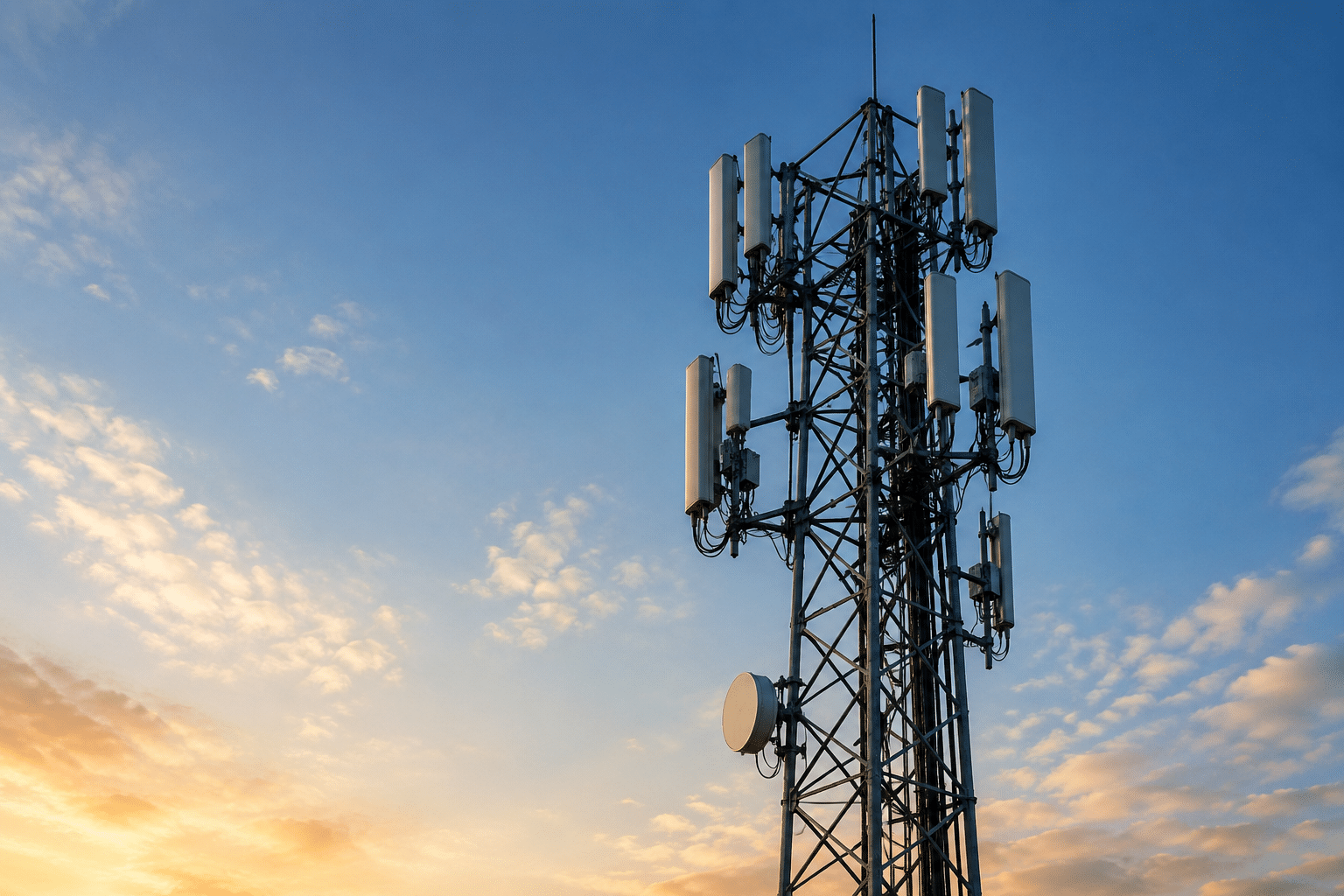
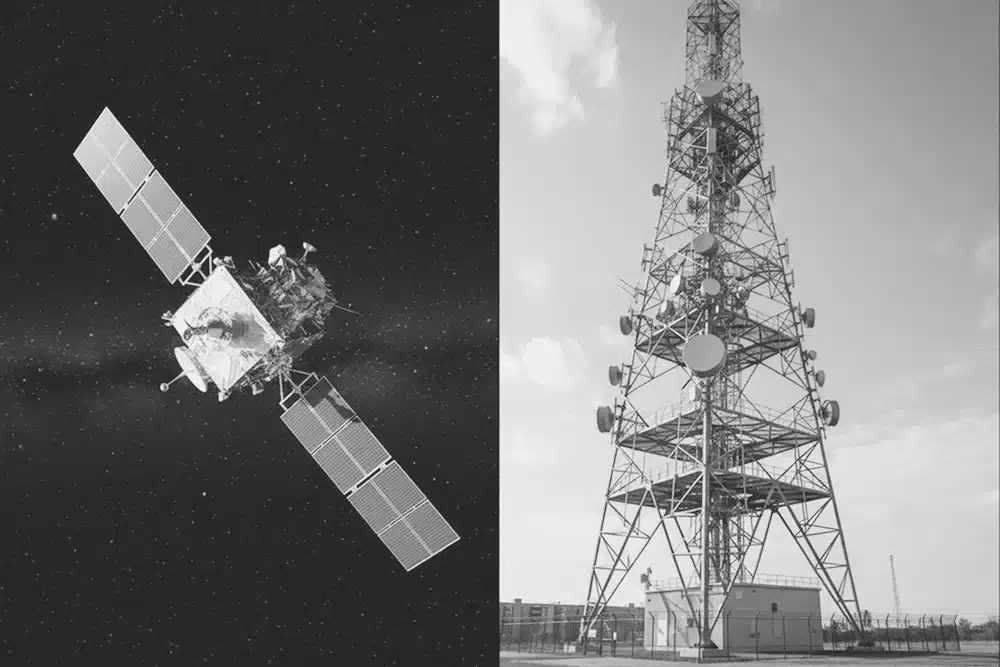
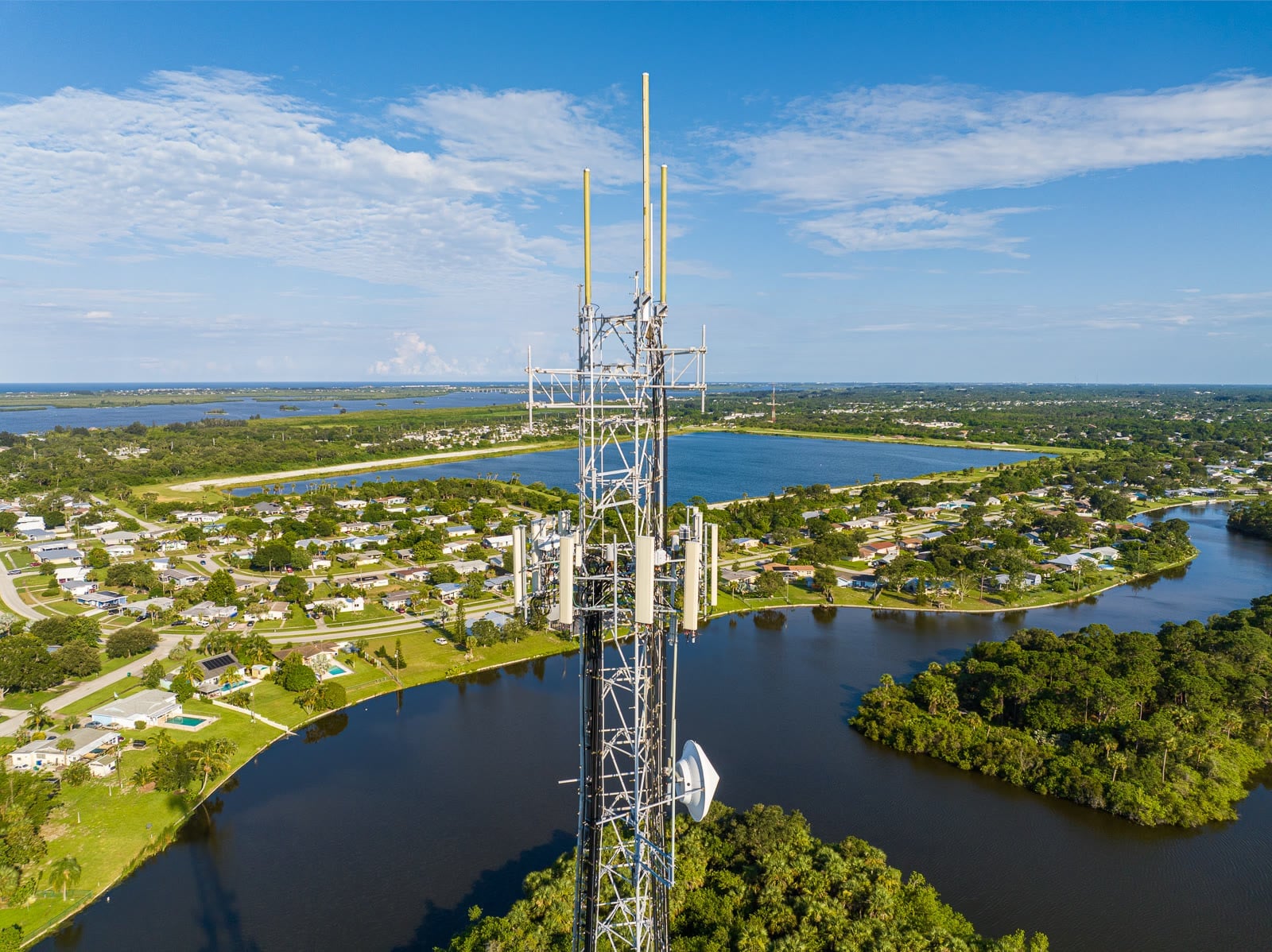
Overall, the industry’s long-term outlook remains positive. The wireless industry continues to be characterized by significant capital expenditures, extending beyond the initial phase of heightened 5G spending. Macro towers are expected to hold their position as the cornerstone of carrier networks and fuel growth as networks evolve to meet ever-escalating data demand.
Market Watch
- Dish Network reported a larger than expected loss of customers on their prepaid Boost network, sending its stock lower and has analysts questioning its ability to avoid bankruptcy in the coming years and survive as a wireless carrier.
- Comcast and Charter, cable companies operating on Verizon’s network, surpassed 13 million combined wireless subscribers and continue to compete with the traditional mobile operators, although there remain no announced plans to build their own, independent networks at scale.
- US Cellular did not comment further on its previously reported process exploring “strategic alternatives” other than to state it is active and ongoing. Updates on the process will continue to be monitored closely, as an acquisition could result in network changes including site churn.
EARNINGS CALL SUMMARIES
Crown Castle focused their third quarter call on their expected 2024 results. From their tower segment, management expects 4.5% organic revenue growth inclusive of 1-2% churn, which they state is a continuation of the growth rate seen in the second half of 2023. Further, they expect to deploy 14,000 small cell nodes in 2024, which would be a record number of deployments. Finally, although they expect this next phase of 5G activity to be more focused on densification via small cells, CEO Jay Brown reiterated “there is absolutely going to be a needed addition to tower sites of our carriers investing to add additional equipment to build out 5G. We’re not done with 5G, and [the carriers] are not done with macro sites.”
SBA reported 4.7% net domestic organic growth in the third quarter despite a higher-than-normal 3.9% churn rate primarily due to Sprint. This Sprint churn is expected to continue through 2026, with the out-years of 2025 and 2026 seeing the greatest impacts. Despite this churn, they continue to see a high domestic tower cash flow margin of greater than 85%. Finally, a good portion of their earnings call was dedicated to discussing long-term industry trends. They continue to see macro towers as the backbone of wireless communications and believe that long-term data demand will continue to drive growth for years to come.
American Tower reported 5.3% domestic organic growth in the third quarter and 6.5% when removing the impact of Sprint churn. Throughout the earnings call, executives stressed how they believe the rapid data demand growth (projecting 18% annual compound growth through 2028) will continue to drive investments from the carriers in the networks. They further outlined their prediction that the 5G buildout will occur in three phases: the first, which is currently winding down, is marked by intense capex spending for rapid upgrade of existing sites; the second phase will have moderated capex levels as the carriers harvest the benefits of their initial investments; and the final stage will be marked with network densification by the carriers to meet capacity network demands. While not giving formal 2024 guidance, they stated that they have confidence in at least 5% domestic organic tenant billing growth through 2027, with upside existing above this in the outer years of 2026 and 2027. Finally, they stated that a little over half their sites have had mid-band upgrades, and that they still do not see compelling M&A opportunities domestically, although prices have pulled back slightly over the past year.
Verizon Wireless reported total postpaid phone subscriber growth of 100,000 for the quarter driven by business subscribers, although their rate of loss in the consumer segment is slowing. They stated their full-year 2023 capex is expected to come in at the high end of their $18.25-19.25 billion guidance, although this is expected to slow to their business-as-usual rate of $17-17.5 billion in 2024. They further reported another strong quarter of fixed wireless subscriber gains, coming in at 384,000 adds bringing their total fixed wireless subscriber base over 2.7 million. Finally, they stated that they will start deploying C-Band to suburban and rural areas in the early part of 2024.
AT&T reported postpaid wireless subscriber net adds of 468,000 for the quarter, an acceleration from the 326,000 net adds reported in the second quarter. The company believes there is still room to run in increasing pricing while maintaining subscriber growth as all carriers will need to drive a return on their network investments of the previous years. Additionally, AT&T launched Internet Air, their fixed wireless product, in the second quarter and gained 25,000 subscribers. Finally, AT&T still expects their 2023 full year capex to be consistent with 2022 levels of ~$24B, which implies a fourth quarter capex of approximately $6B.
T-Mobile reported postpaid wireless subscriber net adds of 850,000 for the quarter, again leading the industry. They continue to slow capex and expect 2023 full-year capex to come in at $9.6-9.8 billion, down sharply from their high point of $13.8 billion capex in 2022. They have achieved their goal of covering 300 million people with mid-band 5G, ahead of their 2023 year-end goal. They further added over 550,000 fixed wireless subscribers to cross over 4.2 million total fixed wireless subscribers. Finally, they stated that they are continuing to grow share in smaller and rural markets, with CEO Mike Sievert touting that “for the first time ever, T-Mobile won the highest share of switchers in smaller markets and rural areas”.
Dish reported an increasing rate of subscriber losses from their prepaid Boost plans, further calling into question their long-term viability as a company. They have a substantial portion of debt coming due in the next several years, and Chairman Charlie Ergen noted that with improvement in the interest rate environment or their business operations, the maturity walls could be problematic. As far as progress in their wireless network buildout is concerned, they stated they expect to have 20,000 sites on air by the end of the year. They project their capex will continue to pull back through 2024 before ticking up in 2025 to meet additional FCC buildout requirements.
US Cellular refused to comment further on their exploration of “strategic alternatives”, other than noting that the process was active and ongoing. One the operating side, they reported a continue slowdown in postpaid phone churn although they still lost 16,000 subscribers in the quarter. On fixed wireless, they reported a gain of 10,000 customers bringing their total customer base to 106,000. Finally, for their owned towers, they reported a similar slowdown in spending as noted by the tower companies, however they remain confident in their towers long-term due to their competitive positioning and continued need for network densification, especially in lieu of the lack of current spectrum authority to auction additional spectrum.
Comcast and Charter reported that they added 294,000 and 594,000 wireless subscribers, respectively, a slight drawback from their pace of second quarter gains, and now total over 13 million wireless subscribers combined. Comcast stated their CBRS small cells deployed in Philadelphia have been deemed successful and they have the ability, but no immediate plans, to scale up deployments to further offload traffic onto their own network. Further, Comcast reiterated that they want to keep a capex light wireless model, however 60% of their wireless traffic comes from 3% of their footprint so opportunity exists to efficiently build for this traffic.